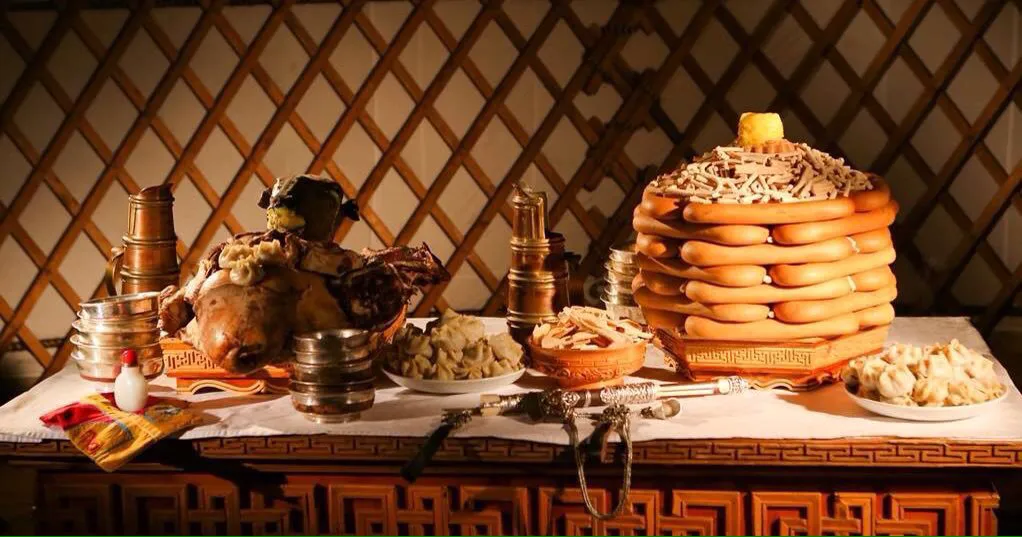
The top 10 most delicious Mongolian foods
Mongolian traditional food is a representation of the nomadic lifestyle and the harsh environment of the steppe. Here, meat, dairy products, and various nutritious foods rich in biodiversity are used as the main ingredients, which are not only powerful and nutritious but also unique in taste. The following 10 foods are the most important and valuable animals that have contributed to the Mongolian economy: 1. Хун - Camel 2. Ухаа - Horse 3. Гахай - Yak 4. Гууц - Cow 5. Мах - Sheep 6. Зан - Goat 7. Морь - Deer 8. Тэвэр - Reindeer 9. Азга - Argali sheep 10. Ем - Siberian marmot
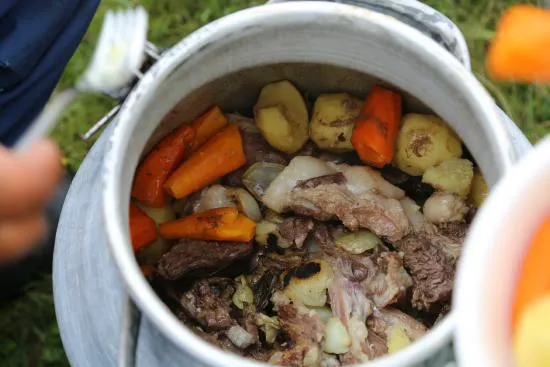
1.Horhog
The most traditional and ancient food of Mongolians is horhog.
This food represents the wisdom of nomads, who are environmentally conscious and value sharing with others.
Horhog is not just a simple meal – it is a representation of celebration, unity, and rich cultural heritage.
What is Horhog?
Horhog is a traditional dish made by cooking meat with vegetables in a special pot covered with hot stones.
The main principle of this dish is to cook meat by placing it in a pot along with stones heated by fire, along with vegetables like carrots, onions, and potatoes. As a result, the meat becomes tender, juicy, and flavorful, while the vegetables become infused with the natural essence of the stones.
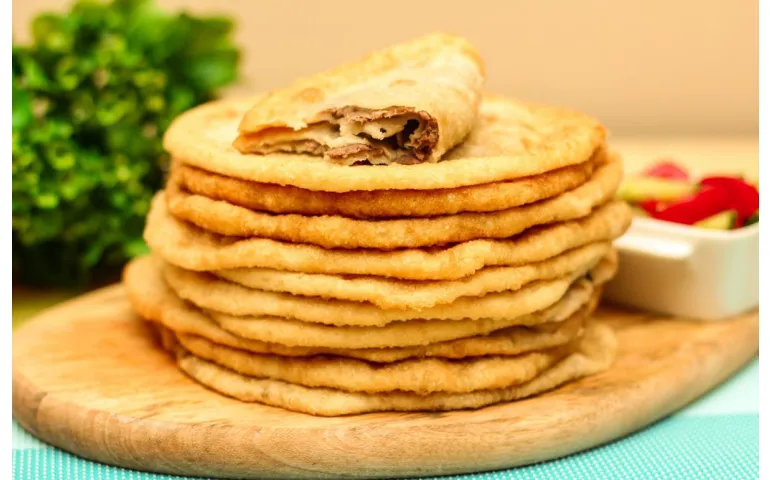
2. Huushuur.
Naadam, bayar naadam, ayalyn üdesh, esvel jiriin ödriin khool — khana ch, khezee ch huushuuryn üner garakhad mongol khün büriin setgel dogdoldog.
Huushuuryn garal, tüükh
Huushuur bol mongolchuudyn ulamjlalt khool böögööd XIII zuuni üed kheerijn nökhcöld amarkhan bolgoj idekh zorigoor üüssen gej üzdeg.
Buuzny neg törol böögööd jignekhijn orond tosond sharj khiedeg n yalgaatai.
Makh, guril, tos kh mët ündsen or ts mongolchuudyn baigaliin nökhcöld tokhirson, erch khüch ögdög tejeelleg khool ym.
Tsagaan saryn üeer buuz khijnë, kharin Naadmaar huushuur khij ideg ülamjlal togtjee.
Naadmiin talbaiin huushuur bol zugëer neg khol bish — Mongolyn bayaryn uur amsgal, khamtyn amdral, tal nutgiin üner amtny belge temdeg yum.
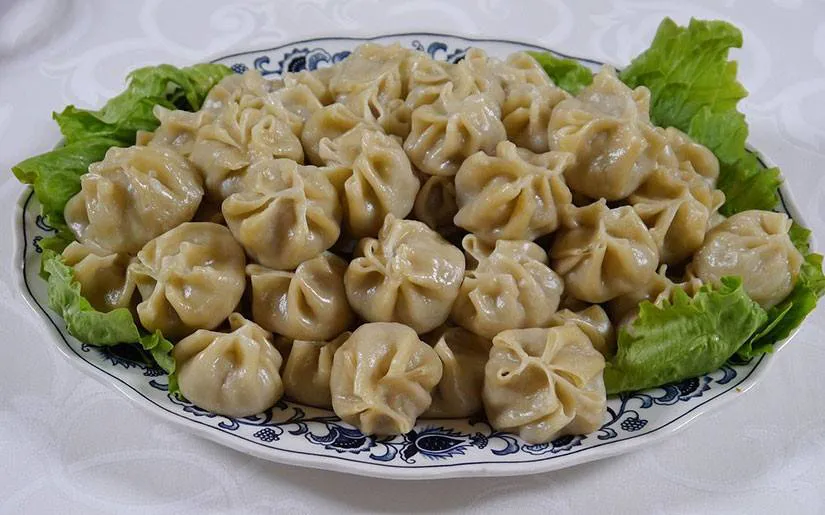
3. Buuz Buuz is the most traditional food of Mongolians. It is made by stuffing minced meat (usually mutton or beef) into dough and then steaming it. It is a common dish in Mongolian cuisine, especially during Tsagaan Sar, the White Moon holiday, where families come together to make buuz. Mongolians traditionally make buuz during the Lunar New Year, Tsagaan Sar. For Mongolians, buuz is not just meat stuffed in dough. It can be made with various ingredients such as minced meat, onion, garlic, leeks, meat, and vegetables. Mongolians often show great hospitality by serving buuz made with high-quality, tender meat to their guests.
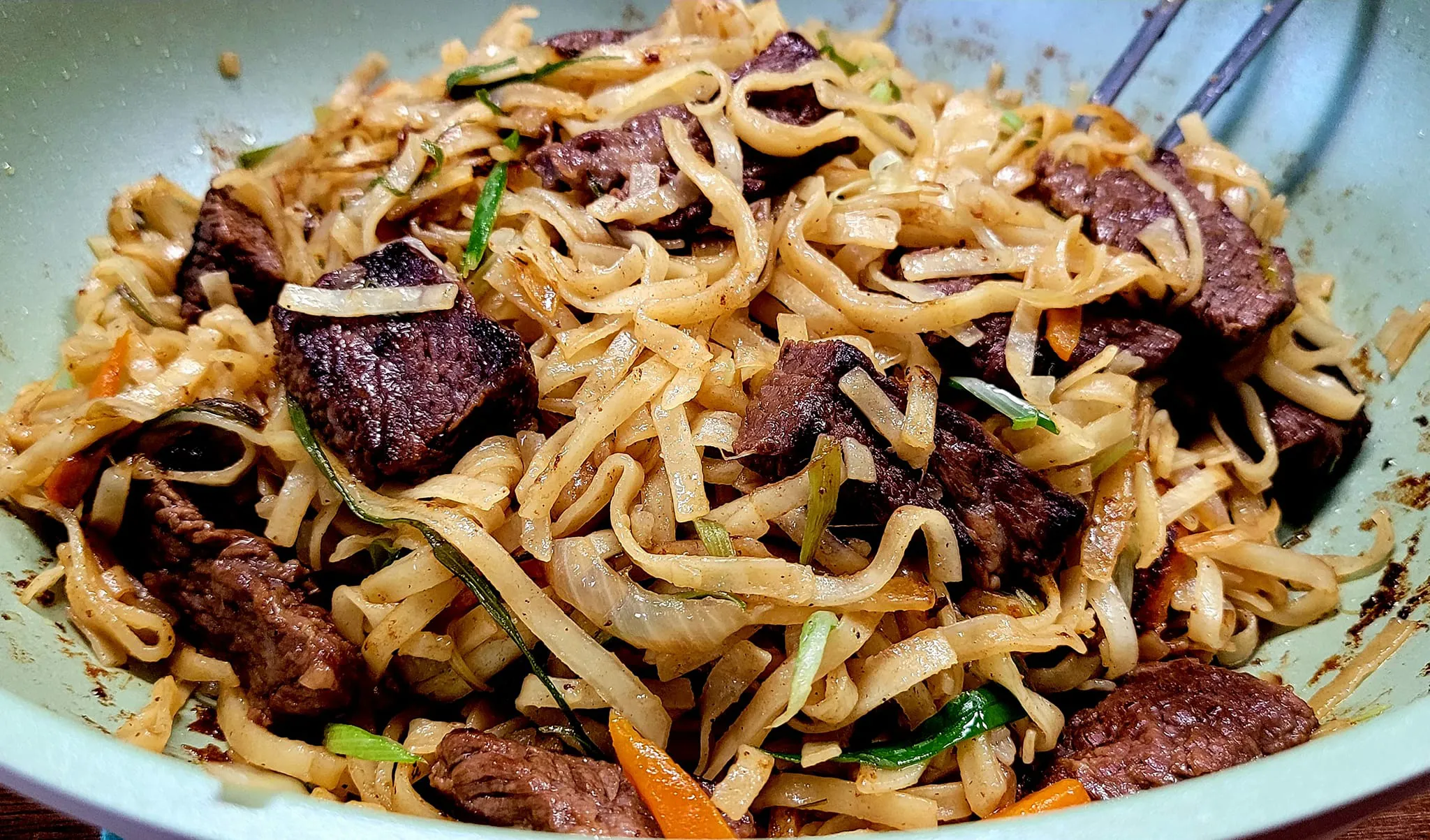
4.Tsuivan
Tsuivan is a food that every Mongolian must taste as soon as they arrive in Mongolia.
It is a simple yet delicious dish made from a mix of noodles, meat, vegetables, and the essence of family life.
Tsuivan is a daily dish in every Mongolian household, representing the diverse flavors of the Mongolian steppe.
The main ingredients are freshly made noodles, seasoned meat, mixed with vegetables, and cooked in a wok to create a flavorful meal. The result is a hearty, satisfying dish with tender meat, flavorful noodles, and a rich broth.
Tsuivan is a staple food for nomads, travelers, urban dwellers, and families alike.
In any Mongolian province, there is a place called the "Tsuivan area," and travelers consider this dish as the true essence of Mongolian life.
When traveling in the countryside, the first thing one asks is "Should we make Tsuivan?"
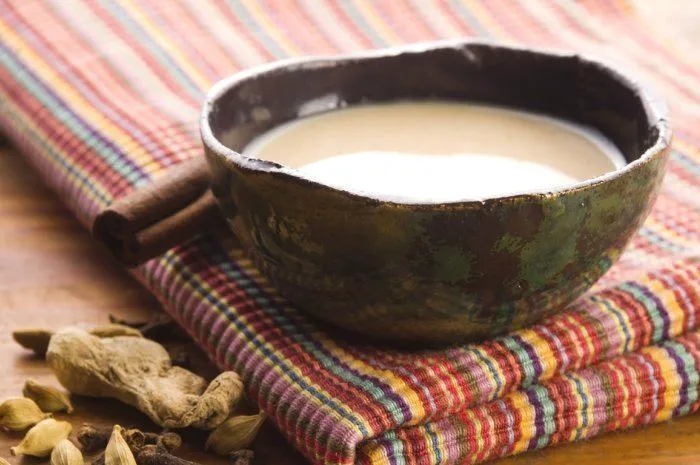
5. Milk tea
When traveling in Mongolia, the first thing that comes to mind is milk tea, which is traditionally served to guests first.
This is not just any tea—Mongolian milk tea is a unique expression of Mongolian hospitality, made with black tea leaves, milk, sugar, and a touch of salt.
Starting the day with a warm cup of milk tea, made by simmering tea leaves in boiled water and adding milk, marks the beginning of a Mongolian day.
What is milk tea?
Milk tea is a traditional Mongolian tea made by steeping tea leaves, milk, water, sugar, and sometimes salt together.
It is a significant part of Mongolian cuisine and plays a role in daily life.
Tea provides a boost of energy with its caffeine content, and the warming effect helps combat the cold Mongolian climate.
Mongolian milk tea has been used since the 13th century, during the time of Genghis Khan.
In that era, the nomads used milk tea as a daily refreshment and method of replenishing energy for hunting and battles. Offering milk tea to guests or visitors is a sign of hospitality and respect in Mongolian culture.
Preparation method
- Steep the tea and add milk.
- Add sugar after the tea turns brown.
- Add salt to taste and simmer for another 10 minutes.
- Some prefer adding a little butter to make the tea more creamy.
This prepared milk tea will be creamy in color, soothing, warm, and energizing.
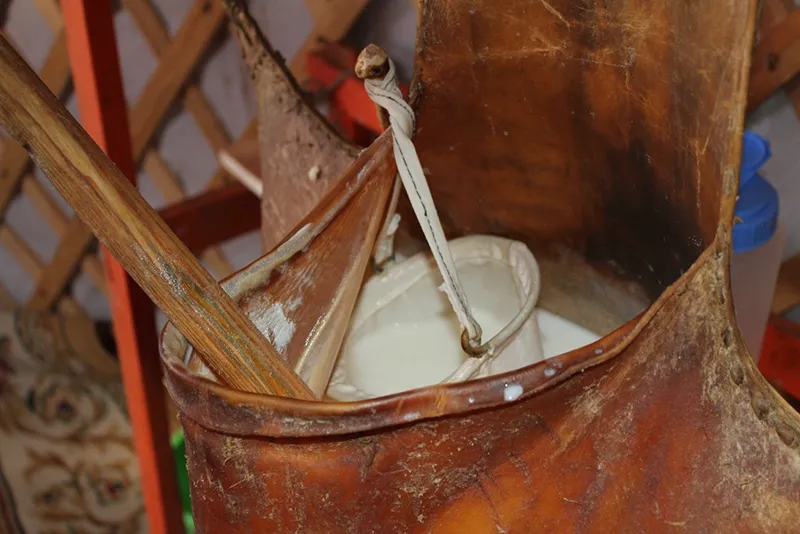
6. Airag
Airag is a traditional Mongolian beverage made from fermented mare's milk.
The process of making airag, including milking the mares, fermenting the milk with yeast, and churning it until it becomes frothy and slightly alcoholic, is a vivid picture of Mongolian nomadic life.
Airag is not only a beverage but also embodies the philosophy of hospitality, the vitality of life, the noble tradition of hospitality, and the symbol of Mongolian pride.
What is Airag?
Airag is a dairy product made by fermenting mare's milk.
The result is a slightly sour, fizzy, alcoholic drink that is refreshing and invigorating. When consumed, airag is believed to have positive effects on the digestive system, improve overall well-being and contribute to a balanced diet.
How to Make Airag
- Milking the mares - The mares are milked 4-6 times a day during the summer.
- Fermenting the milk - The milk is fermented in a horsehide or wooden container.
- Aerating - The milk is churned 1000-2000 times a day for 2-3 days.
- Maturation - The fermented airag is matured until it becomes slightly fizzy and mildly alcoholic.
Airag is considered best when freshly fermented, best consumed chilled, and is most refreshing when served aerated.
Airag and Cultural Practices
Airag plays a significant role in Mongolian culture, including rituals, celebrations, and traditional ceremonies.
“The drink of airag” symbolizes the highest form of Mongolian hospitality - offering airag to guests is a sign of respect and honor.
Health Benefits of Airag
- Promotes digestion
- Rich in nutrients
- Restorative and invigorating
- Contains vitamins A, C, D, calcium, phosphorus, and protein
- Supports heart, liver, and kidney function
Due to its low alcohol content and moderate fermentation process, airag is a beneficial and essential beverage for promoting overall health and maintaining vitality.
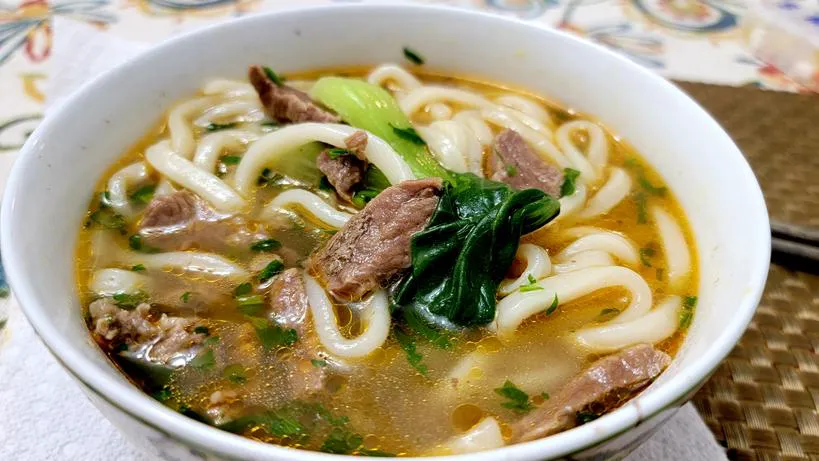
7. Nutritious dish
Nutritious dish is the most common and simplest food of Mongolian nomads, eaten every day.
This dish is made from mutton, fat of the tail, flour, and a pinch of salt.
The ingredients are simple and the taste is satisfying
- 🐑 Mutton with fat from the tail - make the dish more delicious
- 🌾 Fat of the tail - Roast the tail fat, mix it with roasted flour, and prepare it for the returning host
- 🧅 Green onions, leeks, garlic, small red pepper - can be seasoned with red pepper
When the dish is ready, the guest will smell the aroma of the tail fat, be impressed, and enjoy the dish.
When in Mongolia, guests are welcomed by offering them mutton fat and salt, which is considered the most traditional hospitality.
8. Boodog
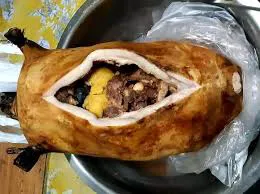
One of the most famous and unique traditional Mongolian dishes is Boodog. When nomads hunt in the countryside, they use a special way of cooking meat called "roasting meat with hot stones inside the animal's stomach."
This ancient cooking method is still popular in Mongolia today, combining traditional Mongolian wisdom, environmental science, and cultural heritage.
Boodog is a special Mongolian dish where the meat of a goat or sheep is roasted inside the animal's stomach with hot stones, creating a unique and flavorful dish. Roasting the meat inside the animal's stomach with the stones adds a special taste that cannot be achieved through other cooking methods.
As a result:
- The meat is cooked inside the animal's stomach, creating a special flavor,
- The meat is tender and juicy,
- The meat, bones, and organs soften, creating a unique and delicious dish.
Steps to prepare Boodog
- 🐐 Prepare the meat
- Prepare the goat, sheep, or sheepskin meat, remove the entrails, and clean the meat thoroughly.
- 🪨 Prepare the stones
- Heat the stones in the fire and wrap 15-20 large round stones in the animal's stomach.
- 🍖 Roast the meat
- Cook the meat inside the stomach (or in the animal), adding onions, garlic, and other seasonings.
- 🔒 Sealing the stomach
- Seal the stomach without removing the intestines.
- 🔥 Roasting on the fire
- Roast the boodog on the fire, turning it frequently until it is cooked through.
- Roast the meat inside the stomach, remove it from the animal, and add fat from the animal's tail.
- ⏰ After 30-40 minutes
- Once the stomach is roasted and the meat inside is cooked, it is ready to be served.
9. Bantshtai tea
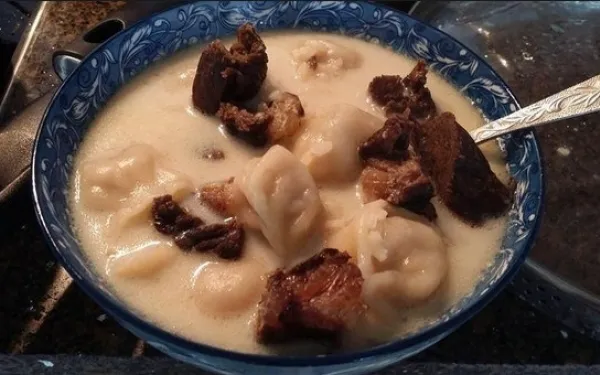
Bantshtai tea is a Mongolian dish that combines milk tea with small pieces of meat, creating a unique traditional dish.
In the cold of winter, people eat bantshtai tea, which is rich in meat, with warm milk tea that is flavorful, creamy, thick, and rich.
This dish is a wisdom of the nomads who have combined tea and meat to keep warm and energetic during harsh times. Early Mongolians used to eat bantshtai tea, a simple, nutritious, and satisfying dish, when facing extreme conditions such as cold weather and shortages.
This tradition has been passed down through generations, and even today, bantshtai tea remains one of the most common dishes in the daily lives and festive occasions of herders.
Ingredients and equipment
- 🫖 Black tea leaves
- 🥛 Milk, water, salt
- 🥩 Meat (sliced, diced)
- 🌾 Barley (for making bantshtai)
- 🧅 Onion, garlic, and other seasonings
Barley is soaked in water and peeled, then meat, onion, and garlic are added and cooked in a small, thick mixture.
🍳 Cooking method
- Bring water to a boil and make black tea.
- Add milk after the tea has brewed
- Prepare the salt mixture and add it, stirring constantly, as the bantshtai thickens.
- Stir the bantshtai until it thickens and boils.
- If desired, sugar or butter can be added for extra flavor.
10. Honey diet
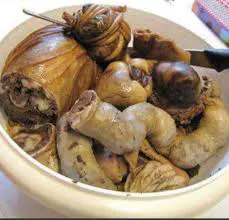
The most special food in the traditional Mongolian diet, which reflects the wisdom of nomads' lives, is honey. In other words, honey is a valuable food that contains meat, fat, milk, blood, and honey, and is a unique food that combines the philosophy of ecology, health, and lifestyle.
The honey diet is a diet that uses honey, honeycomb, royal jelly, propolis, heart, fat, and milk. This food is rich in nutrition and is a valuable addition to festivals, celebrations, and daily life.
Method
- Cleaning the honeycomb
- Extract the honey from the comb, store it in a clean container, and consume it.
- Storage
- Store royal jelly, propolis, honey, fat, blood, milk, and pollen separately in a cool place.
- Consumption
- Consume a small amount of honey daily to improve health.
- Harvesting
- Spend 2-3 hours in a warm bath to collect sweat.
- After harvesting, keep the honeycomb in the shade.
